New Exhibit Charts Path of Australia’s Oldest Temple: From Founding & Fire to Future
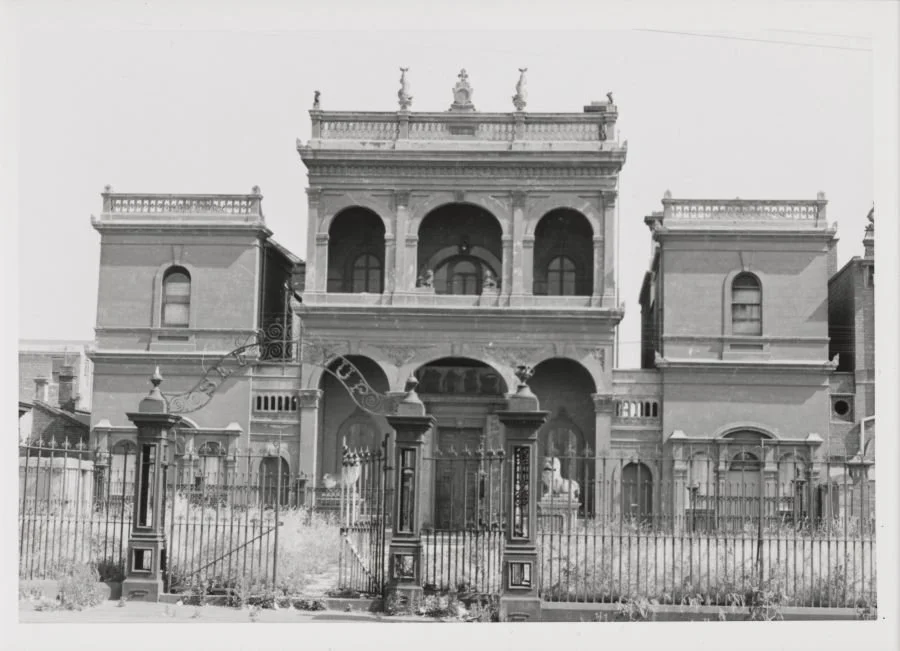
See Yup Temple prior to 1970s renovations. Photo: John T. Collins (State Library of Victoria)
See Yup Temple: The Next 170 Years
Launching 11am 21 February 2026
76 Raglan Street, South Melbourne VIC 3206
Tragedy struck the heritage-listed See Yup Temple just after Lunar New Year in 2024 when an electrical fault caused a fire in the main Kwan Tai hall. Fortunately, none of the Gods were damaged but much of the hall, built in 1866, and around 200 objects were badly impacted by smoke, heat, flames and water.
Michael Lam (President, See Yup Temple Recovery Project): “The fire that broke out in the Kwan Tai Hall of the See Yup Temple in 2024 was a tragedy for both regular worshippers at the temple and those who value Victoria's heritage. As President of the See Yup Temple Recovery Project it is a great honour to have the opportunity to bring Australia's oldest Chinese temple back after the fire and prepare it for the future.”
With the help of a Chinese Community Infrastructure grant from the Department of Multicultural Affairs, the See Yup Society has commissioned Janet Beeston (Frontier Heritage) and historian Dr Sophie Couchman to develop a Masterplan to help the Society understand the temple’s future needs. It is estimated the fire recovery works will cost in excess of 5 million dollars and take several years to complete. It will require works to all aspects of the temple complex and so it makes sense to explore other opportunities for the temple.
Janet Beeston (Heritage architect, Frontier Heritage): “This exhibition is a vital component of the See Yup Temple Masterplan. It provides See Yup Society members and visitors to the Temple with an understanding of what is happening in the Fire Recovery Project, invites them to reflect on the temple’s past, consider its current situation and share their thoughts and ideas about the Temple’s future.”
This exhibition as part of the community consultation for the See Yup Temple Masterplan but will also help new visitors to the temple understand why it is so special. Housed in a marquee in the temple gardens this 24-panel exhibition invites worshippers and visitors to participate in the process of guiding the Temple’s future. As part of the exhibition we ask visitors to share, via a very short survey, what they find important about the See Yup Temple and if there are any improvements or changes they would like to see happen.
Students from the Robert Cripps Institute for Cultural Conservation at the University of Melbourne also have a display about the conservation work they have been doing as part of the temple’s Fire Recovery Project.
To facilitate worshippers’ celebration of Lunar New Year the temple will be open late on Tuesday 16 February and everyday from 9am to 4pm until Sunday 8 March when it will return to weekend openings. During the Lunar New Year period an estimated 10,000 worshippers visit the temple to pray to the Taoist and Buddhist Gods housed there and pay their respects to their ancestors through 13,000 ancestral tablets.
Media contact: Curator Dr Sophie Couchman.
Photography note: Permission is required to photograph any of the Gods and the spirit tablets at the Temple.
About See Yup Temple
The See Yup temple is the oldest Chinese temple in Australasia. Built between 1856 and 2004 it continues to be maintained by the Society today welcoming worshippers and visitors from all over Australia and overseas. For over 170 years the See Yup Temple has been a site of wonder to those who visit, connecting over 10,000 regular worshippers from around Australia and overseas with others who value the temple for its beauty and workmanship, unique history and heritage.
